
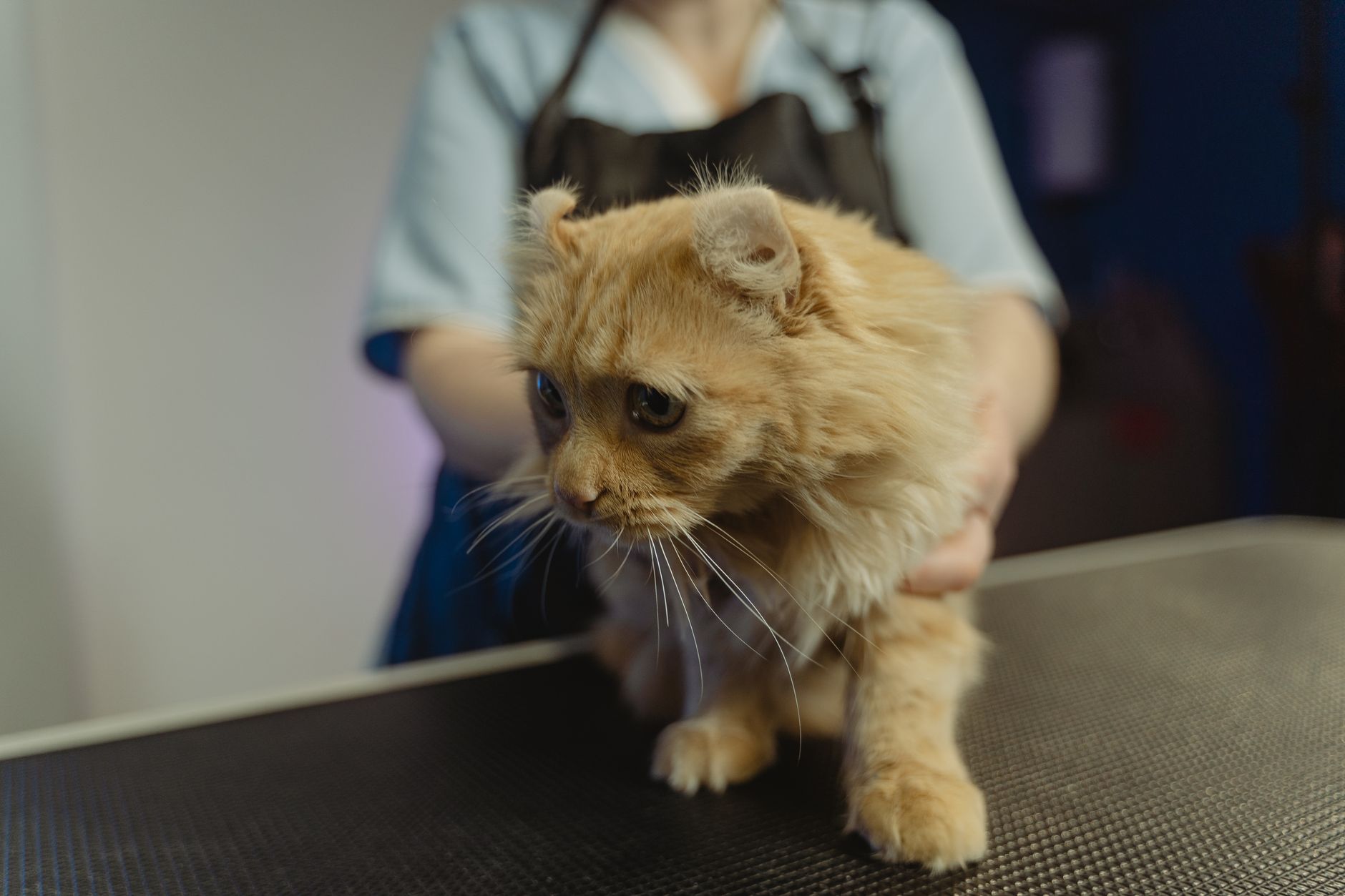
A cat who keeps visiting the litter box without producing urine needs prompt attention. Urinary blockage is one of the most time-sensitive emergencies a cat can face, especially for male cats. The outward signs can look similar to constipation, a mild urinary infection, or simple litter box trouble, which is why it is so important to know what to watch for.
This is not a condition to monitor overnight in hopes that it settles. A complete blockage prevents urine from leaving the bladder, and toxins and electrolytes can build up in the body. The safest response to suspected blockage is to contact a veterinary professional immediately and follow their instructions about where to go.
Why a Urinary Blockage Is So Dangerous
Urine is the body’s way of removing waste products and maintaining a healthy balance of fluids and minerals. When a cat cannot urinate, the bladder becomes painfully stretched and the kidneys cannot do their normal work. As the problem progresses, a cat can become severely ill.
Blockages are often caused by material lodging in the urethra, the narrow tube that carries urine out of the body. This material may include crystals, small stones, mucus, inflammatory debris, or a plug made of several substances. The underlying cause can vary, but a cat’s immediate need is the same: restoring the ability to pass urine safely.
Male Cats Face a Higher Risk
Any cat can develop urinary problems, but male cats are more likely to become blocked because their urethra is longer and narrower. Even a small amount of debris can obstruct urine flow in this confined passage. Neutered male cats, intact males, young adults, and older males can all be affected.
That increased risk is a reason for cat owners to take changes in bathroom behavior seriously, rather than a reason to assume a female cat is safe. Female cats may also experience painful urinary conditions, and they still require timely veterinary assessment. A cat’s sex can inform risk, but the signs and level of discomfort matter most.
Repeated, Unproductive Litter Box Trips
Frequent trips to the litter box with little or no urine produced are among the clearest warning signs. A blocked cat may squat or strain for a long time, leave the box, then return again moments later. Owners may find only a few drops of urine, or no new wet spots in the litter at all.
It helps to distinguish frequent normal-sized clumps from repeated attempts that produce tiny amounts. A cat with bladder irritation may pass small quantities, while a completely blocked cat may not pass urine at all. From home, however, it is often impossible to tell whether the flow is merely reduced or fully obstructed, so either pattern warrants urgent veterinary advice.
Straining Can Be Mistaken for Constipation
Cats use a similar crouched posture when trying to urinate or defecate, so a urinary emergency is sometimes mistaken for constipation. A cat may strain visibly, seem uncomfortable, vocalize, or spend a long time in the litter box. If you are not certain which function the cat is attempting, treat the possibility of a urinary issue seriously.
Do not try to diagnose the problem by pressing on the abdomen or attempting to help the cat urinate. A painful, enlarged bladder can be difficult to assess even for an experienced person, and handling may make a frightened cat react defensively. Call a veterinary clinic and describe exactly what you have observed, including when you last saw a normal amount of urine.
Small Clumps, Blood, and Other Changes in Urine
Blood-tinged urine, unusually small clumps, cloudy urine, or urine passed outside the litter box can all signal lower urinary tract discomfort. These signs do not automatically mean a blockage, but they should never be dismissed as misbehavior. A cat that associates the litter box with pain may choose a bath mat, laundry pile, tub, or another nearby surface instead.
Changes in odour can be worth noting too, although smell alone cannot identify the cause. If possible, take a clear photo of unusual litter clumps or an accident before cleaning it up. That information can help the veterinary team understand the pattern, but do not delay leaving for care in order to gather evidence.
Vocalizing, Restlessness, and Hiding
Cats are skilled at concealing discomfort, so behavior changes may be the first clue that something is wrong. A cat in urinary pain may cry or yowl in the litter box, pace between rooms, repeatedly lick the genital area, or seem unable to settle. Some cats become unusually clingy, while others hide under furniture or avoid being touched.
These behaviors can occur with several medical problems, including non-urinary ones. What makes them especially concerning is their combination with altered urination. A cat who is restless, uncomfortable, and making repeated litter box attempts should be evaluated quickly rather than watched for a day or two.
A Sick-Looking Cat May Be Further Along Than You Think
As blockage-related illness worsens, a cat may stop eating, vomit, appear weak, or become very quiet. They may have a tense or painful abdomen and resist being picked up. In severe cases, a cat can collapse or become less responsive. These are emergency signs, and waiting for a regular appointment is not appropriate.
It is important not to assume that a cat is improving simply because they have stopped straining or become still. A severely unwell cat may lack the energy to keep making trips to the litter box. Any cat with possible urinary symptoms plus vomiting, marked lethargy, weakness, or collapse needs immediate emergency veterinary care.
What to Do as Soon as You Suspect a Blockage
Call a veterinarian or emergency veterinary service right away. State that your cat is straining to urinate, producing little or no urine, or has suddenly become ill after urinary symptoms. Those details make the urgency clear. If you are looking for local guidance and routine follow-up options, a Bedford animal hospital can help pet owners understand when a urinary concern needs an in-person examination.
Keep your cat indoors, quiet, and safely contained while you prepare to leave. Use a carrier with a familiar towel or bedding if possible, but do not spend time trying to make the trip comfortable enough that it delays care. Bring any medications your cat currently takes and be ready to share when the signs began, whether they have passed any urine, and whether vomiting or appetite changes have occurred.
What Not to Try at Home
Do not give human pain medicines, leftover antibiotics, diuretics, or supplements in an attempt to solve a suspected blockage. Many human medications are dangerous for cats, and even pet medications can be harmful when given without instructions for the current problem. Home remedies cannot remove an obstruction.
It is also unsafe to squeeze, massage, or press on the cat’s bladder. This can cause pain and does not reliably clear the urethra. Encouraging water intake is generally sensible for cats with urinary health concerns, but it is not a treatment for a cat that cannot urinate. A suspected blockage requires professional care, not a wait-and-see approach.
How Veterinary Teams Assess Urinary Emergencies
At the clinic, the veterinary team will assess your cat’s overall condition, hydration, pain, bladder size, and ability to urinate. They may recommend tests to look at kidney function, electrolytes, urine characteristics, or the presence of stones and other issues. The precise plan depends on the cat’s condition and the findings of the examination.
When a blockage is confirmed, treatment is intended to relieve the obstruction, stabilize the cat, and address the effects of being unable to urinate. This can involve sedation or anesthesia, catheter placement, fluid support, pain control, monitoring, and further testing. Cats may need hospital care because the period after an obstruction is relieved can still require close observation.
Planning for Care Outside Regular Hours
Urinary emergencies do not follow a convenient schedule, so it is wise to know where you would go before a crisis happens. Save your regular clinic’s number, confirm its after-hours instructions, and identify the closest emergency option. Families in nearby communities may also want to keep contact details for a Dartmouth Vet where they can ask about appropriate care for a concerning change in their cat’s urination.
If symptoms arise overnight, during a holiday, or when your usual clinic is closed, call an emergency service before driving over whenever possible. The team can advise on arrival procedures and confirm where a patient should be seen. For pet owners seeking an urgent-care contact point in the region, searching for a 24 hour Vet Halifax can be part of a prepared emergency plan.
Recovery Often Requires Follow-Through at Home
After a urinary blockage, follow all discharge instructions closely. Your veterinarian may recommend specific food, medications, increased water intake, a quieter routine, or follow-up testing based on your cat’s individual diagnosis. It is tempting to focus only on getting through the emergency, but prevention and monitoring after treatment are important parts of ongoing care.
Ask practical questions before leaving the clinic: what signs mean you should call again, how medications should be given, whether activity needs to be limited, and how to monitor litter box output. If your cat lives with other cats, a temporary separate litter box can make it easier to confirm that they are producing a normal amount of urine.
Daily Habits That Make Changes Easier to Spot
A clean, accessible litter box does more than keep a home tidy. It gives you a daily view of your cat’s output and bathroom routine. Scooping regularly makes it easier to notice a sudden absence of urine clumps, unusually tiny clumps, blood, or more frequent use. In multi-cat homes, having enough boxes in different quiet locations can reduce crowding and make observation more practical.
Hydration, suitable nutrition, stress reduction, and regular veterinary visits all support urinary health, though no single habit can guarantee that a blockage will never occur. Some cats need individualized prevention plans because of their history or urine findings. The most valuable habit for every owner is noticing what is normal for their cat and acting quickly when that pattern changes.
Trust the Pattern, Not a Single Symptom
One brief trip to the litter box is rarely enough to explain what is happening. The risk becomes clearer when several signs appear together: repeated straining, little or no urine, vocalizing, excessive licking, hiding, vomiting, or a sudden loss of appetite. A cat does not need to show every sign before the situation becomes urgent.
When in doubt, call. It is far better to have a veterinarian assess a painful urinary problem that turns out not to be a complete blockage than to lose valuable time with a cat who cannot urinate. Prompt action gives a cat the best chance of receiving the care they need before the condition becomes life-threatening.