
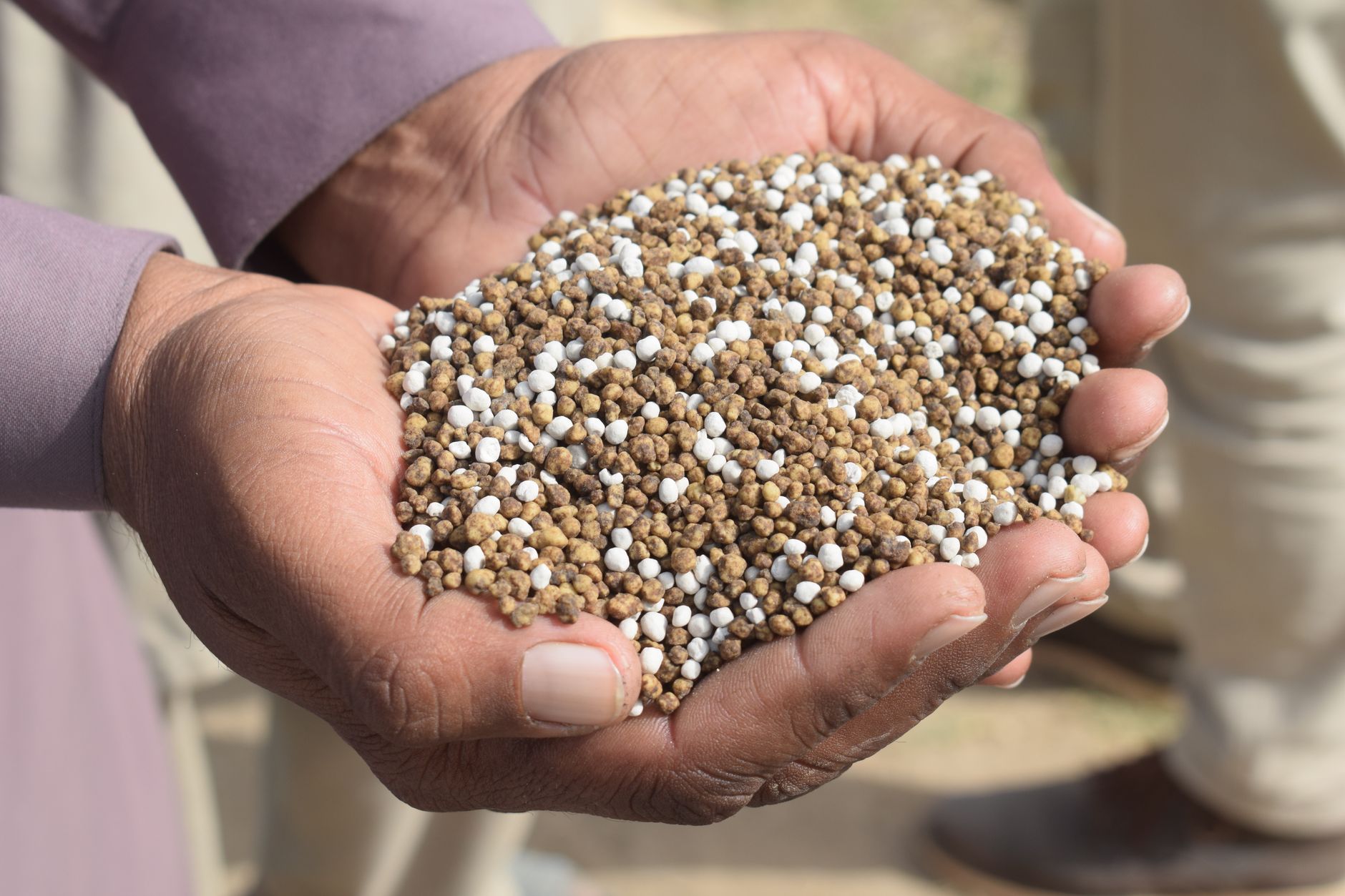
The dream of having a lush, green lawn is shared by many homeowners. It’s a sight to behold and provides a space for relaxation, play, and even increases the property’s curb appeal. But achieving this dream doesn’t happen without effort, particularly where fertilizers are concerned. Understanding how lawn fertilizers work can significantly enhance the health and vibrancy of your grass.
The Basics of Lawn Fertilizers
To appreciate how fertilizers benefit your lawn, it’s essential to first understand what they comprise. Lawn fertilizers are primarily made up of three key nutrients: nitrogen (N), phosphorus (P), and potassium (K). These nutrients are often represented by the N-P-K ratio on fertilizer bags. Each nutrient serves a unique function that supports lawn health.
Nitrogen is vital because it helps promote lush, vigorous growth and gives grass its vibrant green color. Phosphorus supports the development of roots and is crucial for the establishment of new lawns. Meanwhile, potassium enhances the lawn’s overall health, helping grass withstand stressors such as drought, cold weather, and disease. When these nutrients are applied in appropriate amounts, your lawn can thrive.
Nitrogen: The Growth Engine
Nitrogen is arguably the most important nutrient for grass. It fuels the rapid growth and production of chlorophyll, the green pigment in plants responsible for photosynthesis. When you apply a nitrogen-rich fertilizer, you’re effectively giving your lawn a significant growth boost, which is why many fertilizers have a higher percentage of nitrogen compared to phosphorus and potassium.
However, too much nitrogen can lead to overly rapid growth. This can stress the grass and make it more susceptible to disease. That’s why it’s crucial to apply fertilizers in the correct amounts and at the appropriate times throughout the year. This ensures a steady, healthy growth rhythm.
Phosphorus and Root Development
Phosphorus may not be required in as large quantities as nitrogen, but it’s just as crucial. It plays a significant role during the early stages of lawn development, especially when seeding a new lawn or laying sod. Phosphorus aids in root development, ensuring that the grass plants have a robust foundation.
Because of environmental concerns like algae bloom in bodies of water, some regions have regulations limiting the use of phosphorus in fertilizers. Therefore, many modern lawn fertilizers have reduced or eliminated phosphorus unless the lawn is newly established or in need of revitalization.
Potassium: The Stress Tolerant Nutrient
Potassium, while not as glamorous as nitrogen or as critical in the early stages as phosphorus, plays a supportive but vital role in the lawn’s health. It enhances the lawn’s ability to resist diseases, drought, and cold weather. By enhancing root and cell development, potassium strengthens grass, making it more resilient to external stresses.
Given its role, potassium is crucial for lawns experiencing heavy use, such as those frequented by children and pets, and for lawns in regions with harsh weather conditions.
Types of Lawn Fertilizers
Fertilizers come in various forms and choosing the right one can make a big difference in your lawn care routine. The most common types include granular, liquid, organic, and synthetic fertilizers. Each type has its unique benefits and applications.
Granular Fertilizers: Easy and Long-Lasting
Granular fertilizers are popular due to their ease of application. They can be applied using a broadcast or drop spreader, ensuring even coverage. These fertilizers come in slow-release or quick-release forms. Slow-release fertilizers are beneficial because they gradually feed your lawn over an extended period, reducing the risk of burning and providing a consistent nutrient supply.
In contrast, quick-release granular fertilizers dissolve quickly and provide immediate, short-term feeding. While beneficial for quick green-up, they require more frequent applications. It’s essential to follow the manufacturer’s instructions for the best results.
Liquid Fertilizers: Fast-Acting Solutions
Liquid fertilizers are loved for their ability to deliver nutrients rapidly, making them ideal for emergency feeding or when an immediate improvement in lawn appearance is desired. They are usually applied using a hose-end sprayer, ensuring soluble nutrients are quickly absorbed by the grass.
The downside to liquid fertilizers is that they require more frequent applications compared to granular forms. Proper usage and timing are critical to prevent nutrient runoff and wastage.
Organic Fertilizers: Eco-Friendly Options
For environmentally-conscious homeowners, organic fertilizers are an attractive choice. These fertilizers are derived from natural sources such as bone meal, compost, or animal by-products. They improve soil structure, promote healthy root growth, and support beneficial microbial activity in the soil.
The key benefit of organic fertilizers is their sustainability and environmental safety. However, they act slower than synthetic fertilizers, often requiring higher application rates and longer timeframes for noticeable results.
Synthetic Fertilizers: Precision Nutrition
Synthetic fertilizers are chemically formulated to provide a precise balance of nutrients. They are typically more concentrated than organic fertilizers, offering significant control over the nutrients your lawn receives. This makes them ideal for achieving quick results and rectifying specific nutrient deficiencies.
While effective, synthetic fertilizers need careful handling. They can cause environmental damage if misapplied, leading to fertilizer burn or nutrient runoff. Always adhere to the recommended application rates to reap the benefits while minimizing risks.
The Science of Application: Timing and Techniques
Applying the right type and amount of fertilizer is only part of the equation. Timing and techniques of application play a substantial role in maximizing fertilizer effectiveness. Understanding your lawn’s unique needs will guide you in crafting a fertilization plan that aligns with the growing season and specific conditions.
Seasonal Strategies for Fertilization
The season largely dictates when and how fertilizer should be applied. In spring, early fertilization helps the lawn recover from winter dormancy, promoting vigorous growth. Opt for a fertilizer with a higher nitrogen content to jump-start growth. Meanwhile, fall fertilization focuses on strengthening root systems, preparing the lawn for winter.
Summer is a time when many lawns face stress due to heat and drought. Fertilizing during this period can benefit the lawn if done carefully. Light applications of a balanced fertilizer can sustain the lawn without overwhelming it.
Understanding Soil Tests
Before applying fertilizers, conducting a soil test is prudent. Soil tests reveal pH levels, nutrient deficiencies, and the existing composition of the soil, helping avoid unnecessary or harmful applications. These tests guide a more tailored approach to lawn fertilization, ensuring that the lawn receives only what it truly needs.
A simple soil test can often be done at home with a kit, or more comprehensive analyses can be conducted through agricultural extension services. Regularly testing your soil can save you time and money while promoting healthier lawn conditions.
Lawn Fertilizers and the Environment
The environmental impact of fertilizers is a growing concern among homeowners and environmentalists alike. Runoff containing fertilizers can lead to nutrient pollution in water bodies, causing algae blooms that disrupt aquatic ecosystems.
Minimizing Environmental Impact
Adopting responsible lawn care practices can significantly mitigate the environmental impact of fertilizers. Proper application techniques, right timing, and soil understanding are pivotal in reducing excess fertilizer use. Additionally, selecting eco-friendly fertilizers can also contribute to a greener earth.
Implementing services such as weekly mowing services can also ensure that your lawn remains at optimal health, making it less reliant on fertilizers. Regular mowing keeps grass at the proper height, promoting dense growth and reducing weeds, indirectly reducing the need for excess fertilizer application.
Beyond Fertilization: Comprehensive Lawn Care
While fertilizers are crucial, comprehensive lawn care goes beyond feeding your grass. Other services, such as professional tree pruning and commercial snow removal, can contribute significantly to maintaining a robust and visually appealing landscape.
Integrating Fertilization with Other Lawn Practices
Incorporating a multi-faceted lawn care strategy ensures the long-term health and beauty of your property. Fertilization should be combined with proper watering, mowing, pest control, and even tree care to create a supportive ecosystem for all your landscaping elements.
Regularly evaluating and updating your lawn care practices ensures that you’re providing the best care for your lawn and enhancing other aspects of your landscape like trees, shrubs, and garden beds.
In Conclusion: Cultivating a Vibrant Lawn
Understanding how lawn fertilizers work is the cornerstone of cultivating a healthy lawn. Through effective nutritional support, proper timing, and eco-friendly practices, you can achieve that verdant green paradise. Moreover, by integrating complete landscape care with professional services and focusing on sustainable practices, your lawn can become an element of beauty and a hub of environmental health.
Whether you’re managing it yourself or relying on professional services, a well-fed lawn is one that will thrive under any condition, offering enjoyment and satisfaction for generations to come.